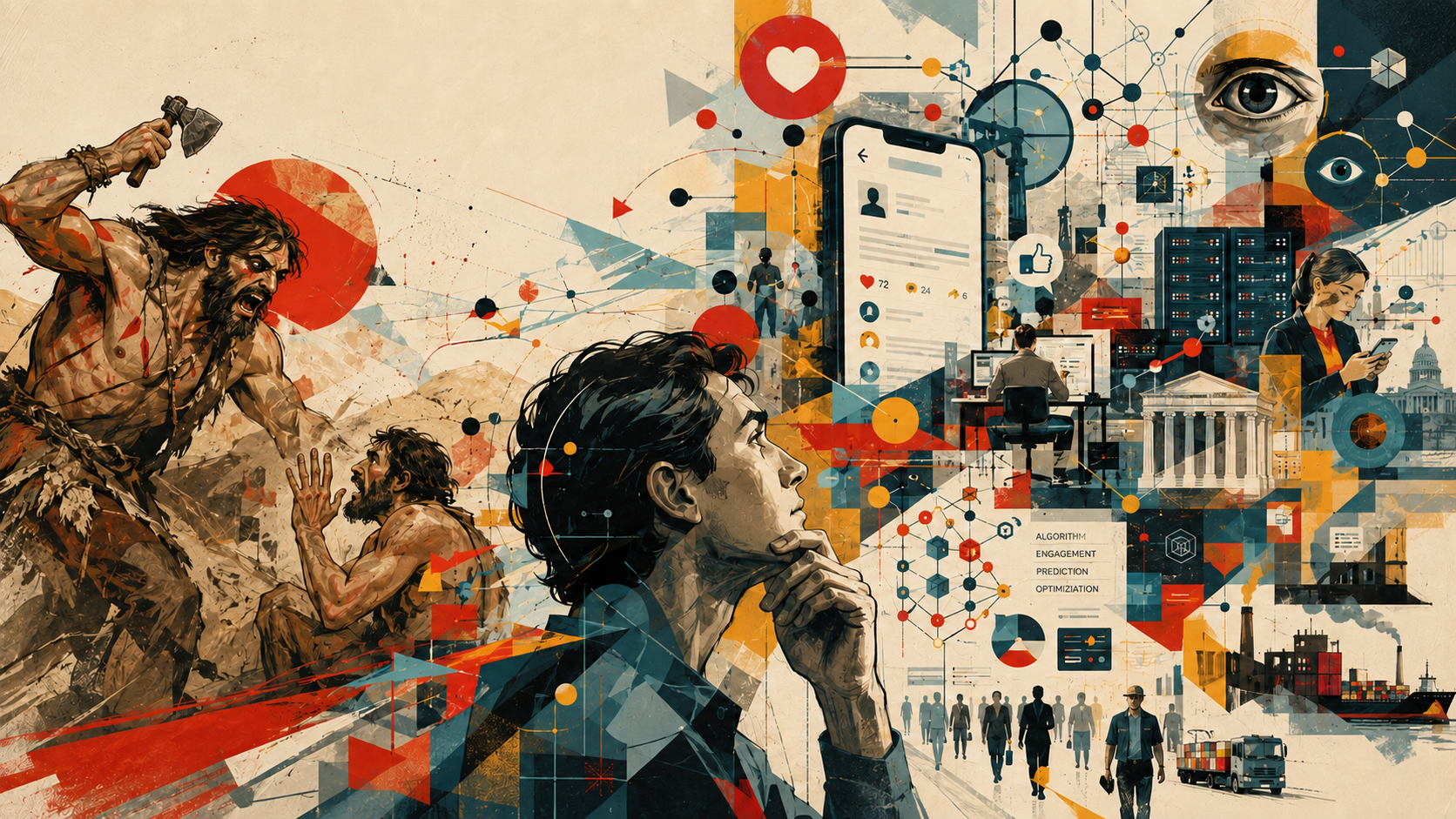
Why Our Moral Intuitions Fail in the Age of Complex Technology
Our moral intuitions evolved for direct harm, visible bodies, and small-group social life. But modern technologies often hide their moral structure behind interfaces, black boxes, institutions, and scale. From social networks to surveillance systems and AI, many of today’s most important ethical problems do not feel morally urgent because they do not look like the kinds of situations our intuitions were built to recognise.
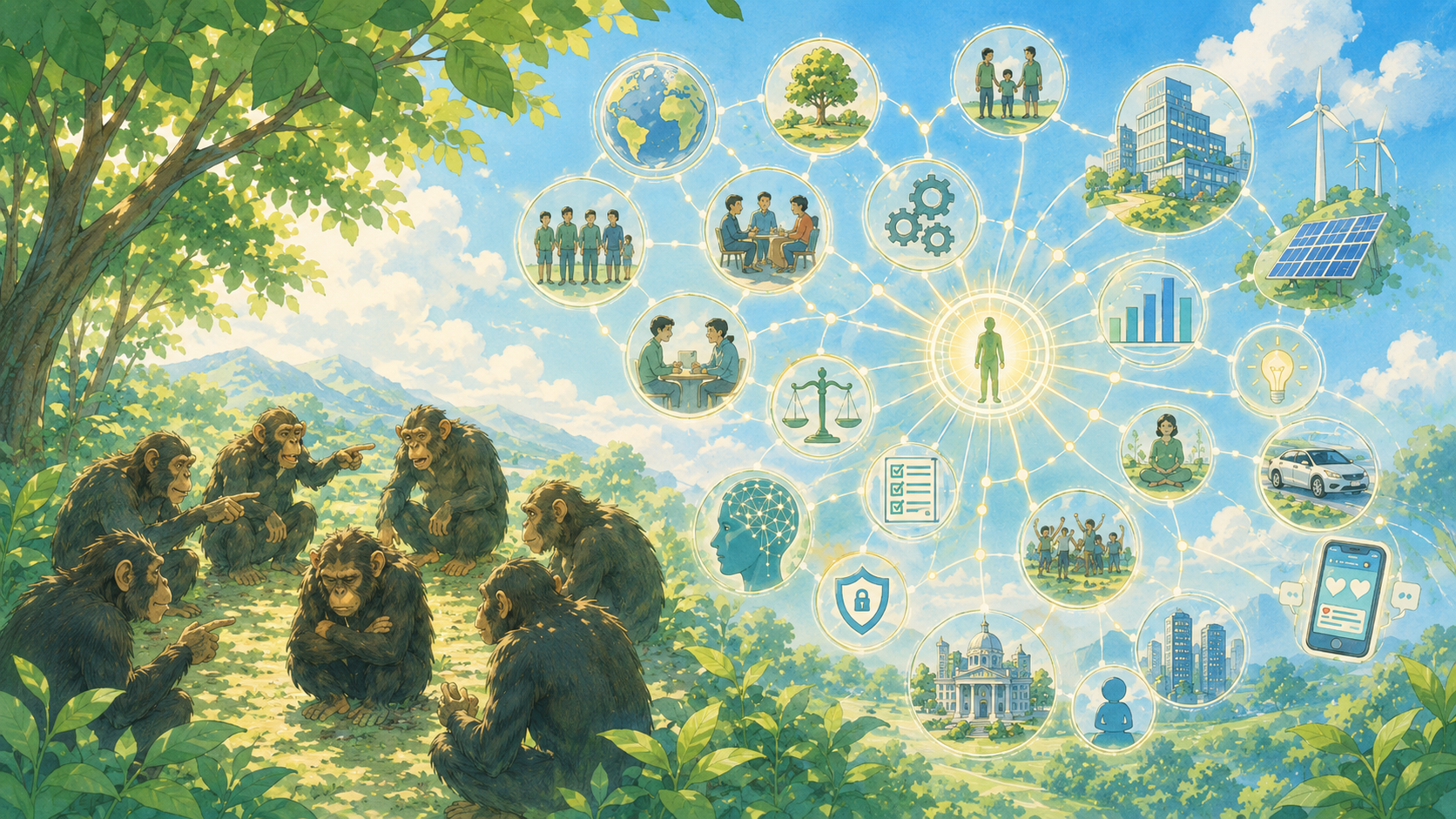
Stop Asking Who Is to Blame
Blame is one of the oldest social shortcuts we have. It helped human groups make fast judgments about trust, danger, cooperation, and punishment. But a useful heuristic is not the same as a metaphysical truth. In complex systems — from human behaviour to corporations, AI, and autonomous vehicles — accountability should mean understanding what caused harm and what must change to prevent it.
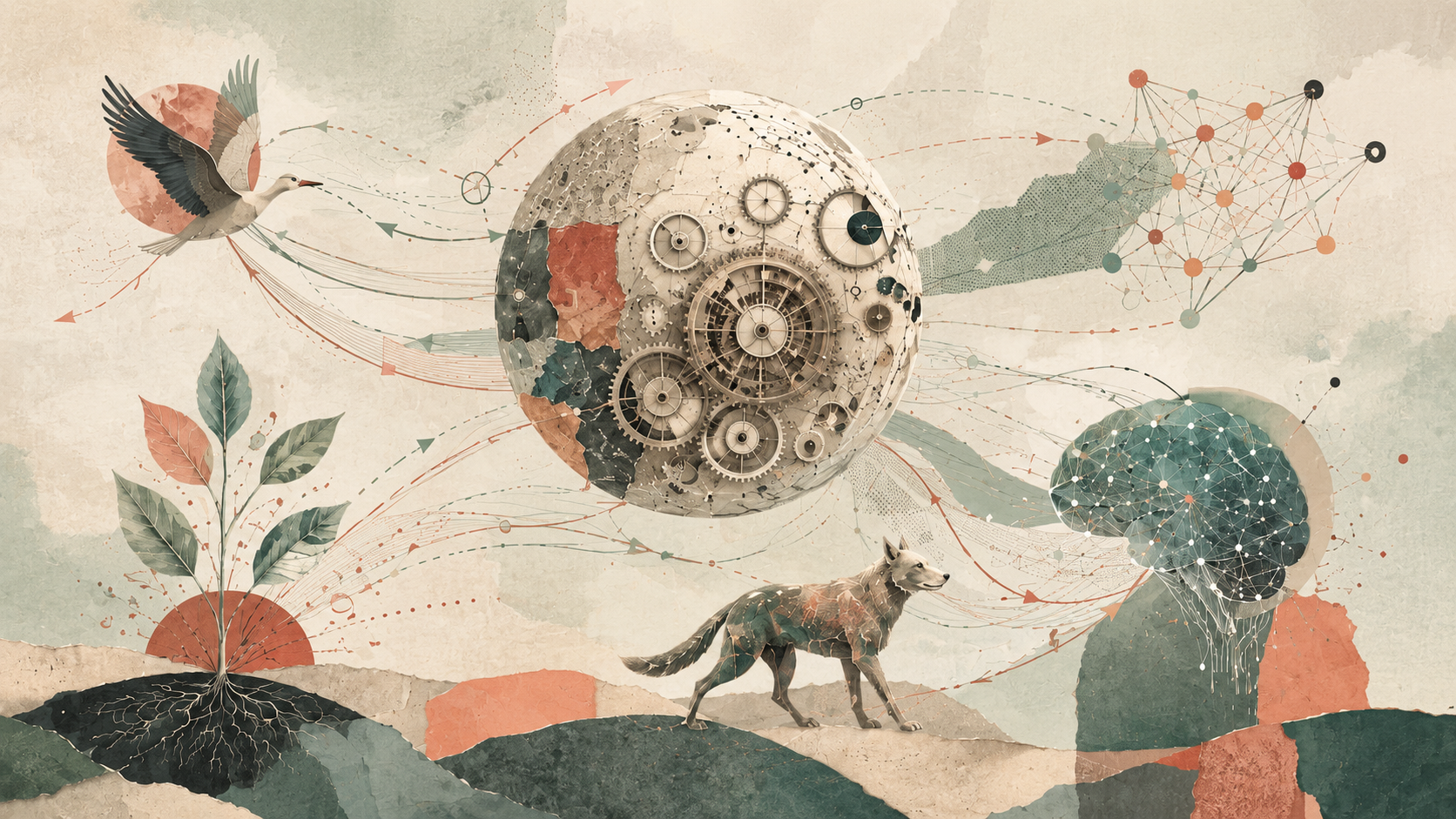
Why AI Ethics Cannot Depend on Consciousness
Much of the public debate around AI keeps asking whether machines are conscious. But consciousness is too human-shaped, too contested, and too unreliable to serve as the foundation for AI ethics. A better starting point is directedness: what a system preserves, avoids, pursues, optimises, affects, and serves. AI ethics should begin not with consciousness, but with interest-vectors, agency, patiency, and the collision of interests.

The End of Human Exceptionalism
AI is not the first blow to human exceptionalism. It is only the latest. From Copernicus to Darwin to modern neuroscience, each major shift in knowledge has displaced humans from a privileged centre. Now AI is challenging our claim to intelligence itself. This does not make humans worthless. It asks us to build a more honest view of human value.
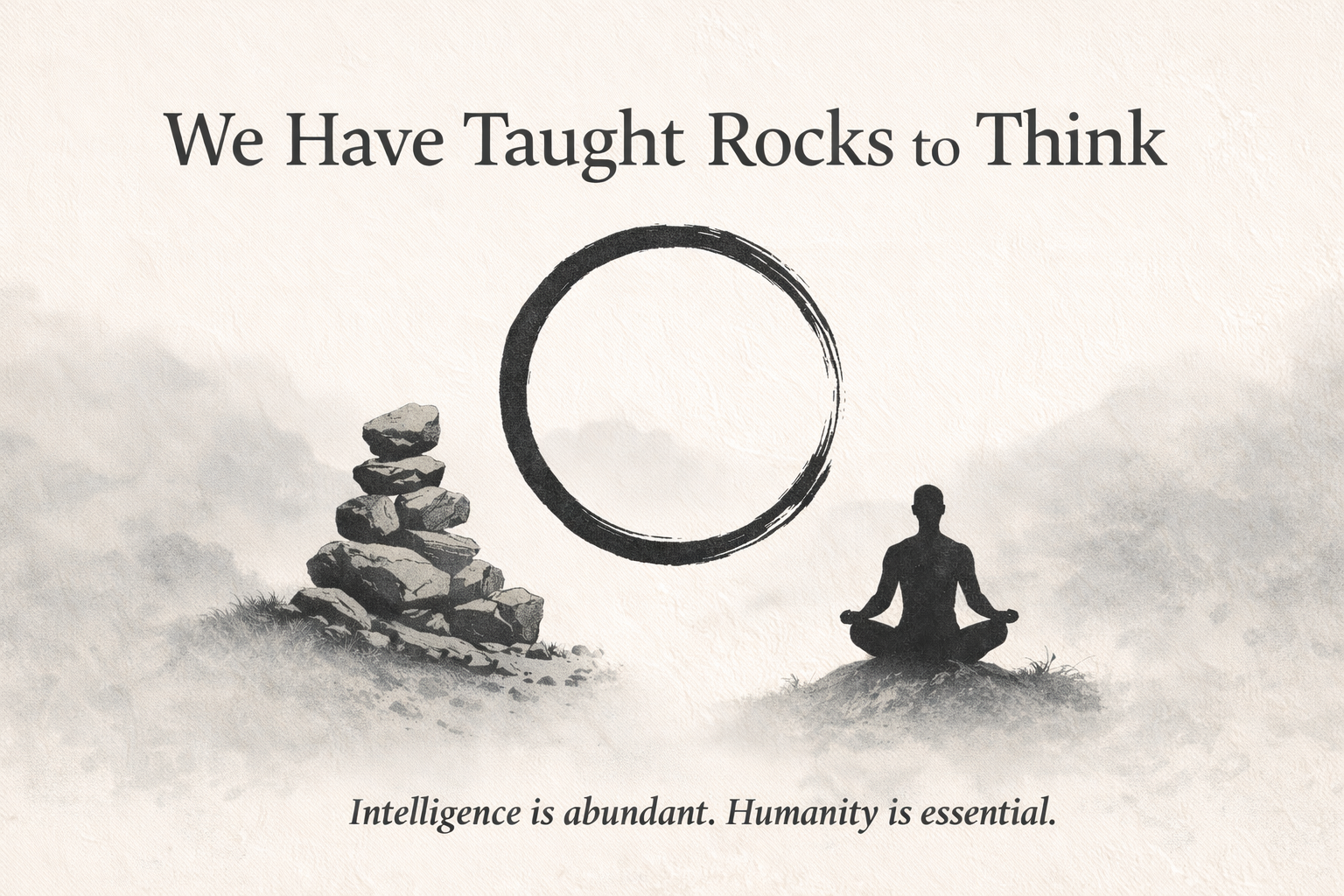
The New Value of Humans in the Age of AI
AI is making intelligence cheaper, faster, and more widely available. But that does not make humans less valuable. It forces us to ask a deeper question: if intelligence is no longer our exclusive advantage, what makes us human? In the age of AI, wisdom, character, judgment, emotional steadiness, and inner development may become more important than ever.